What it really takes to ship reliable IoT products at scale, from hardware security modules to real-time stream processing.
1. The Planetary Scale of Connected Devices
Shipping software to web browsers is forgiving; shipping firmware to half a million connected physical devices installed in remote facilities across the world offers zero room for mistakes. One corrupted update can permanently brick physical hardware.
Engineering for IoT requires defense-in-depth, low-bandwidth telemetry protocols (MQTT/CoAP), and rigorous staged rollout rings.
2. Hardware Root-of-Trust & Device Identity
Every connected device must possess a unique cryptographic identity embedded at manufacture time via secure elements (TPMs / HSMs). This guarantees mutual TLS authentication, encrypted communication, and immunity against spoofing or credential theft.
Security Imperative
Never store shared private keys on flash memory. Hardware-backed secure enclaves are the only viable protection against physical tampering.
3. High-Throughput Telemetry Ingestion
When millions of devices transmit sensor readings every second, time-series storage becomes a primary engineering challenge. By employing partitioned column-oriented storage and stream aggregation, we turn billions of daily events into instant business intelligence dashboards.
4. The Convergence of IoT and AI
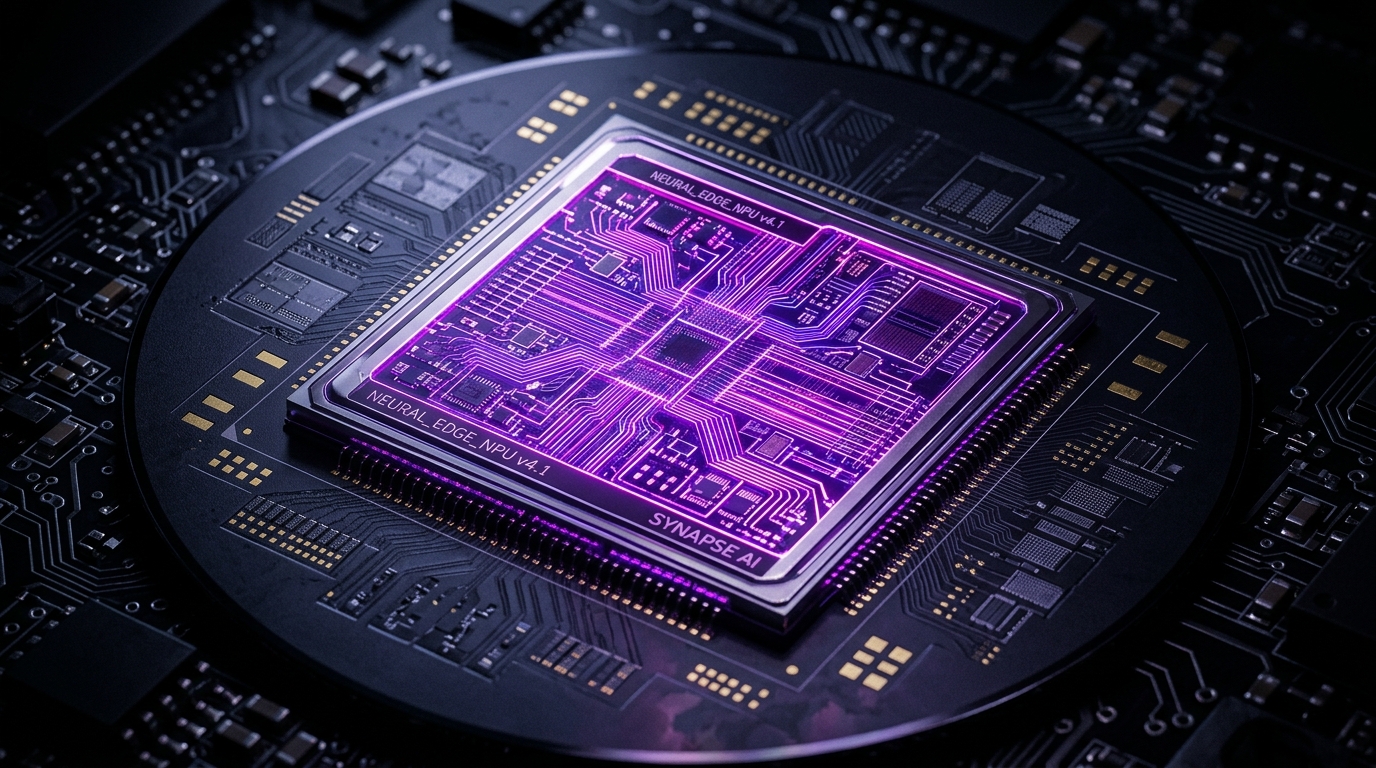
The next era of IoT moves beyond passive monitoring toward intelligent local actuation. When tiny neural models run directly on sensors (TinyML), machines can recognize abnormal vibrational acoustic patterns and predict mechanical failure weeks before physical breakdown occurs.
Connecting Points Tech helps industrial and consumer brands build secure, self-healing connected ecosystems from hardware to cloud dashboards.